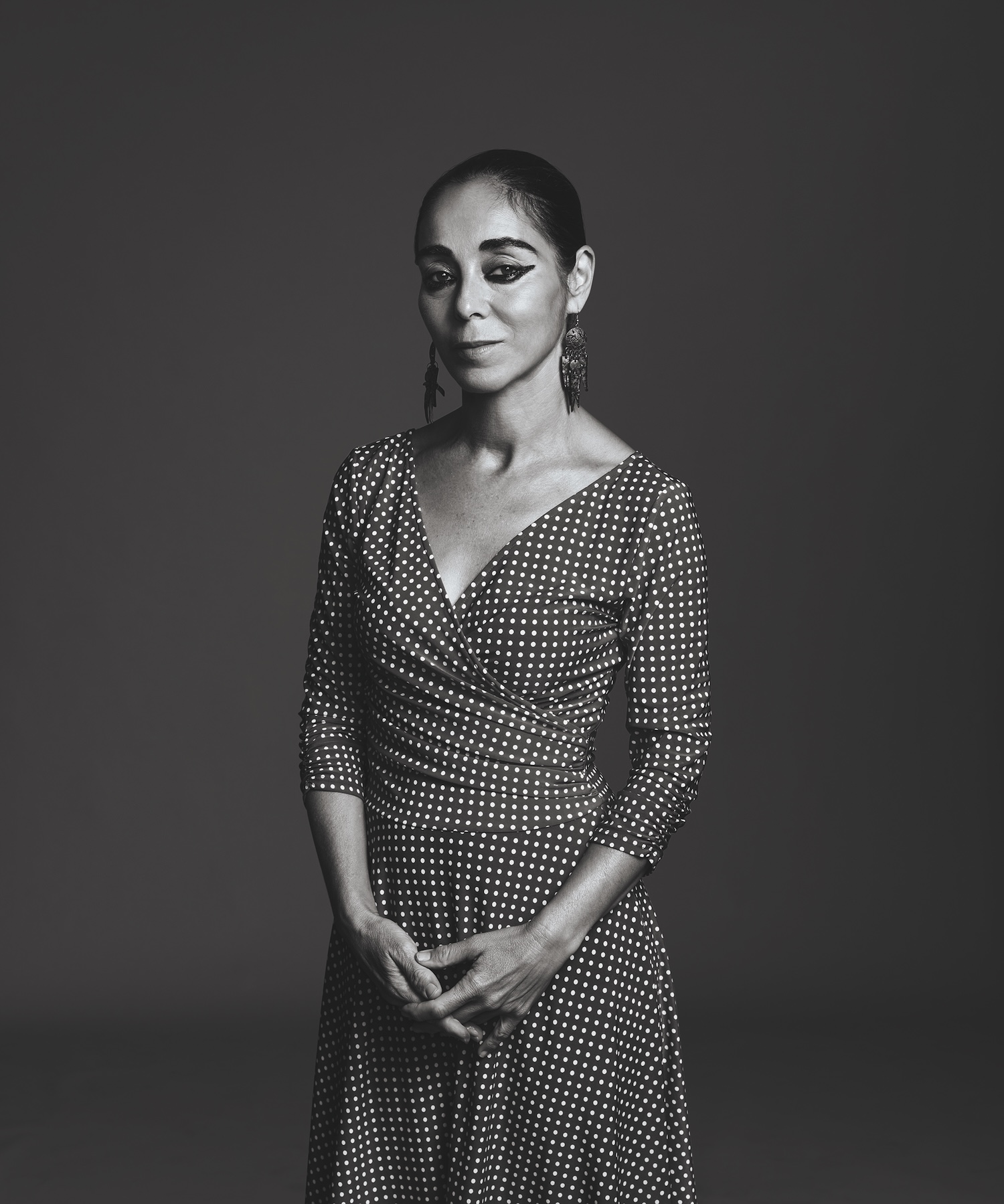
FOTO: RODOLFO MARTINEZ
Širin Nešat (Shirin Neshat)
Women Always Win
I left Iran before the revolution, but I belong to the generation that brought about the Islamic Revolution. Once I arrived in the US, I wasn’t able to go back for 11 years. The work called The Women of Allah is a series of photographs, mostly self-portraits, I created after my first visit to Iran since the Iranian revolution. I wasn't an artist at that time. Actually, I was a very bad artist at school. I barely graduated. I wasn't a photographer, but rather a failed artist or a failed student living in New York. What brought me back to making art was my return to Iran and the understanding of how the fanaticism that came to the Islamic Republic of Iran had transformed Iranian culture inside and out. I lived there during the Shah. It was then that I started to research, interview, and meet friends that I hadn’t seen in a long time, so many years; friends who were involved in the revolution.” - interview with to Maja Kolarić, Museum of Contemporary Art in Belgrade, 2023.
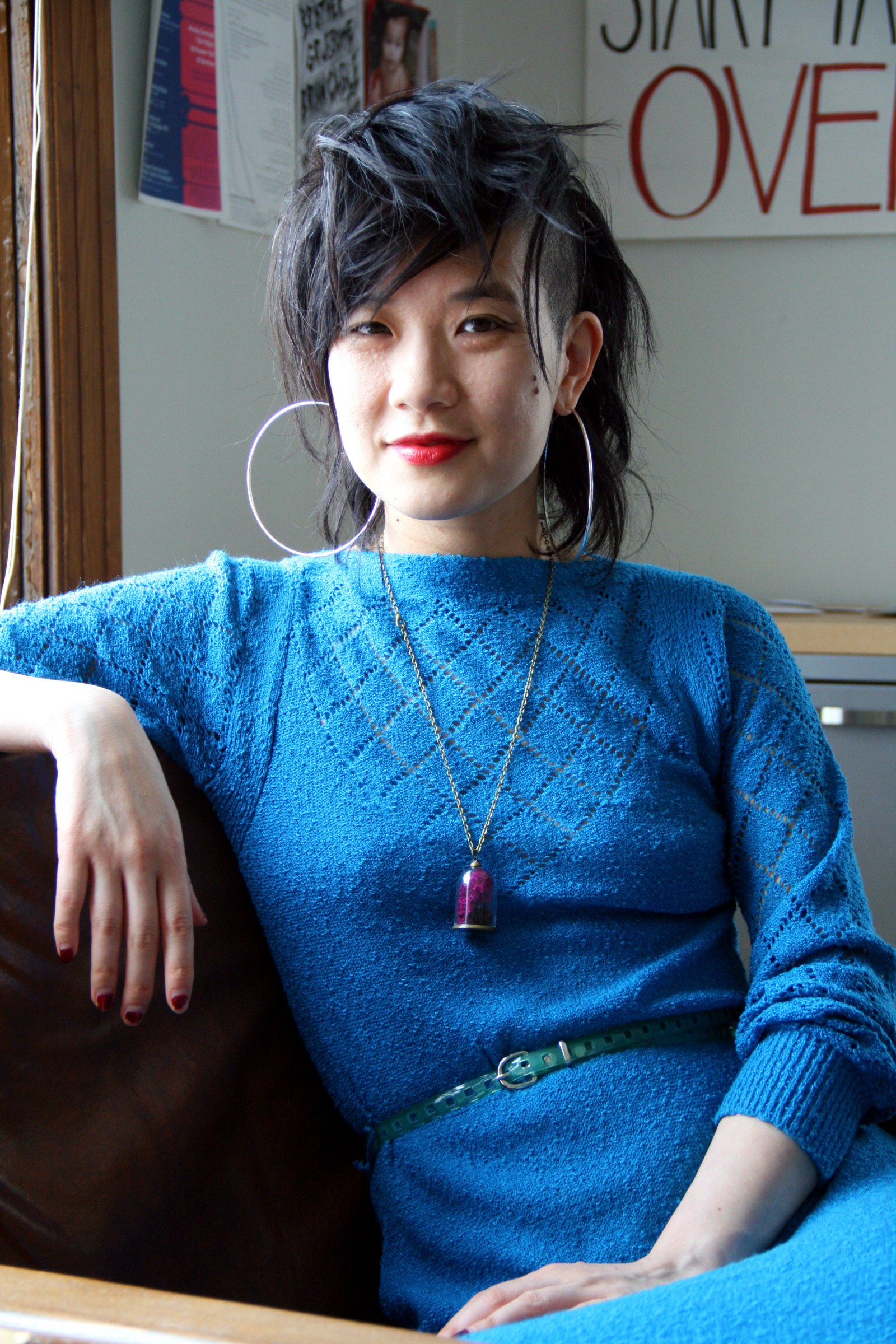
FOTO: RACHEL STORM
Mini Ti Nuen (Mimi Thi Nguyen)
On Surviving Crisis Through Beauty
I think that the promise of beauty is a cognate of critique, which is to say, the promise of beauty suggests that something is missing in the past or the present that renders beauty as not yet, not here, or not safe, and that something must be done to conjure or secure its presence; the promise of beauty further suggests that conditions as they are are not
sufficient, or conducive, to do so. And because the promise of beauty is so often formed around threats to the image of the world that it aims to sustain or create, and that would in turn sustain or create beauty, the
promise is a conjectural sociality, through which we invite each other to care about what we care about. In this, an aesthetic proposition isalso a political proposition. A promise of beauty is a judgment about the world as it is and as it ought to be, and collectivities or schools or mobs or even racial divides form around those who do and do not hold its pleasures in common. In this way, the promise of beauty imbues something like the
1993 Miss Besieged Sarajevo pageant with gravity through the specter of death that threatens the life of the beautiful, and thereby solicits a collectivity who might be moved to save it. Beauty’s promise therefore diagnoses or organizes the measures by which we value a life and arranges those powers—or elaborates on them—that enrich some lives and dispose of others. - in conversion with Jasmina Tumbas, SELFI, issue 3, 2024.
sufficient, or conducive, to do so. And because the promise of beauty is so often formed around threats to the image of the world that it aims to sustain or create, and that would in turn sustain or create beauty, the
promise is a conjectural sociality, through which we invite each other to care about what we care about. In this, an aesthetic proposition isalso a political proposition. A promise of beauty is a judgment about the world as it is and as it ought to be, and collectivities or schools or mobs or even racial divides form around those who do and do not hold its pleasures in common. In this way, the promise of beauty imbues something like the
1993 Miss Besieged Sarajevo pageant with gravity through the specter of death that threatens the life of the beautiful, and thereby solicits a collectivity who might be moved to save it. Beauty’s promise therefore diagnoses or organizes the measures by which we value a life and arranges those powers—or elaborates on them—that enrich some lives and dispose of others. - in conversion with Jasmina Tumbas, SELFI, issue 3, 2024.
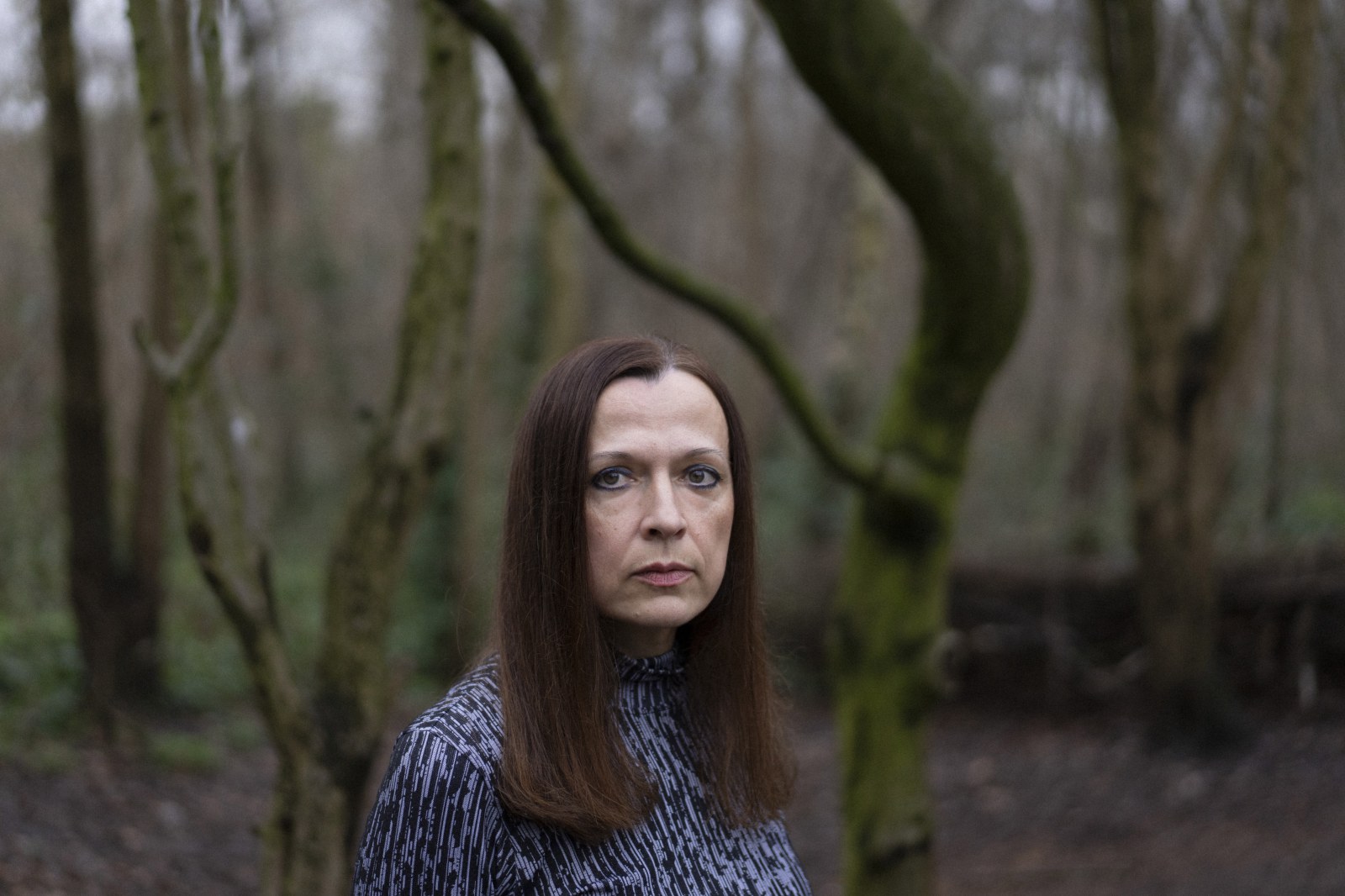
FOTO: HUGO GLENDINNING
Vlatka Horvat
From Hand To Hand
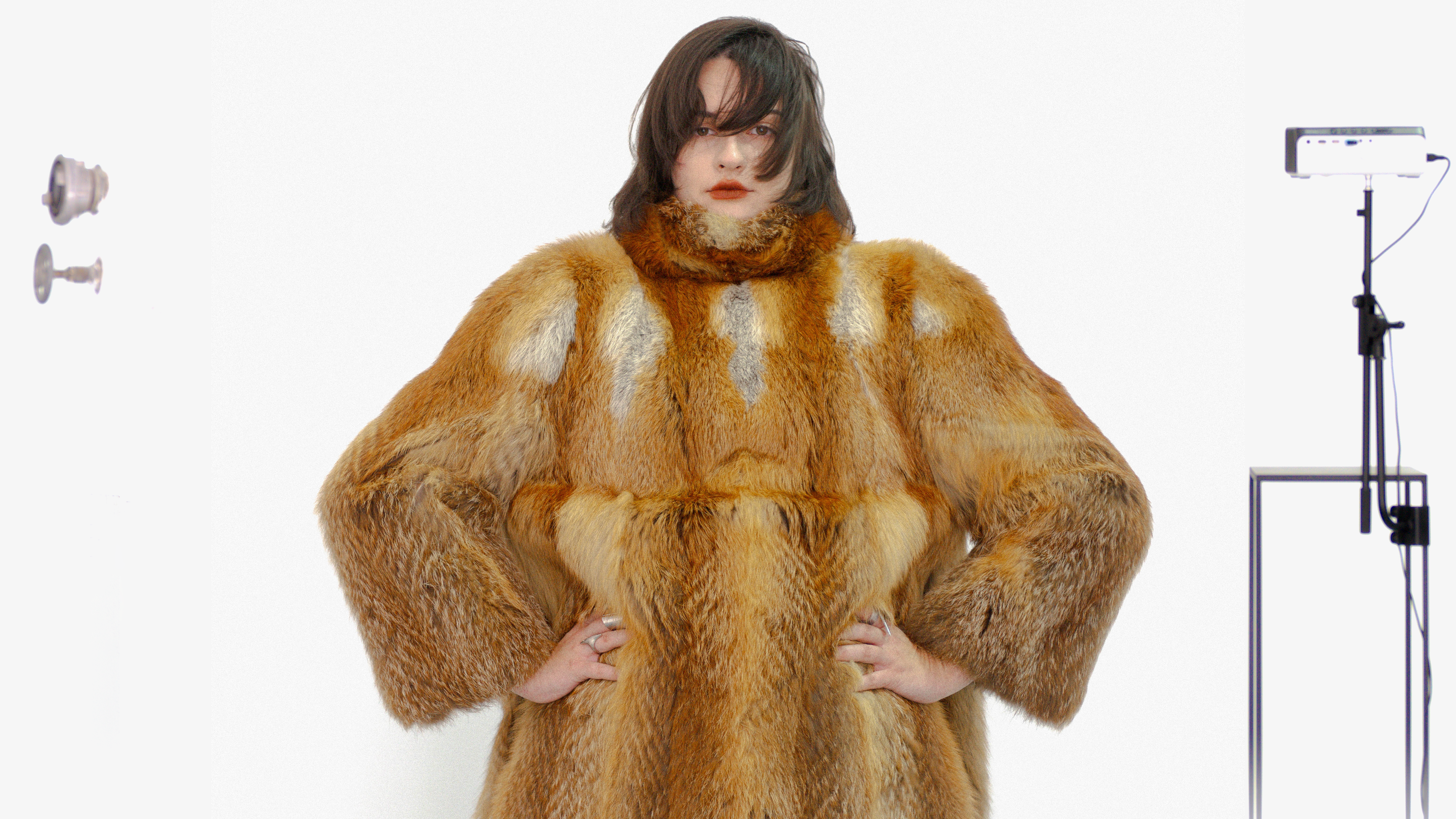
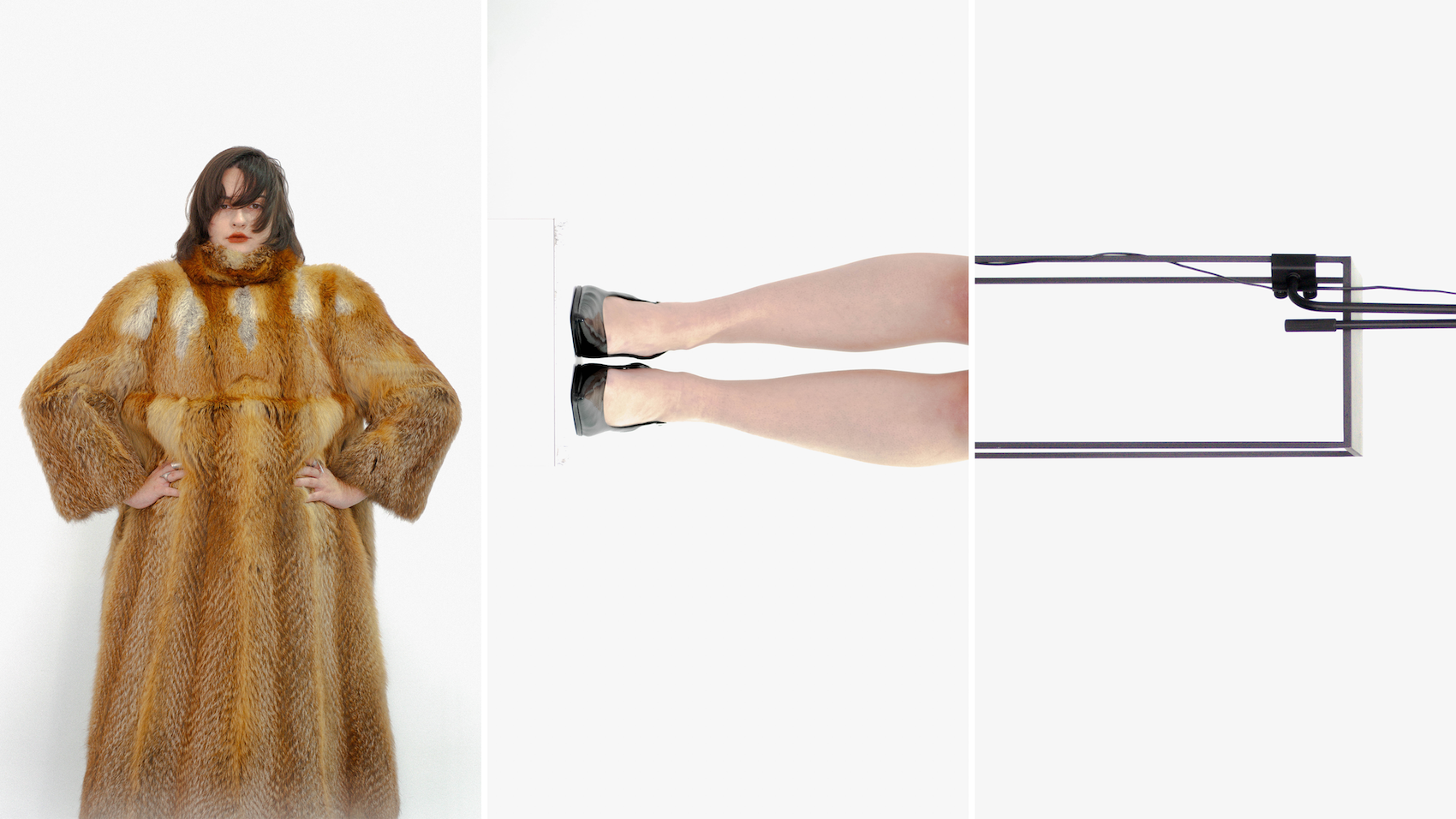
the work does not arise in a vacuum, but in a specific environment and under specific conditions. The processes of creating, exhibiting and encountering works are entangled in complex sets of dynamics. Art
reflects its context and the material conditions of its creation, but it can also do more than that; it can influence and shape the social imaginary. I strive to work with an awareness of context so that the decisions I make in my work take into account the different particularities of the place where the work will meet its audience: the architecture of the
location, its spatial qualities, historical and social context, previous uses and states, as well as the socio-political and material conditions operating in and around it. A vital part of my practice is thinking about the ways in which a work of mine might raise questions in a given context, about the propositions that the work creates and the ways in which those propositions are placed in relation to the viewer. Often what I want to place into the space are questions, tensions and contradictions that the audience must face. - in conversation with Mia David, SELFI issue 3, 2024.
reflects its context and the material conditions of its creation, but it can also do more than that; it can influence and shape the social imaginary. I strive to work with an awareness of context so that the decisions I make in my work take into account the different particularities of the place where the work will meet its audience: the architecture of the
location, its spatial qualities, historical and social context, previous uses and states, as well as the socio-political and material conditions operating in and around it. A vital part of my practice is thinking about the ways in which a work of mine might raise questions in a given context, about the propositions that the work creates and the ways in which those propositions are placed in relation to the viewer. Often what I want to place into the space are questions, tensions and contradictions that the audience must face. - in conversation with Mia David, SELFI issue 3, 2024.
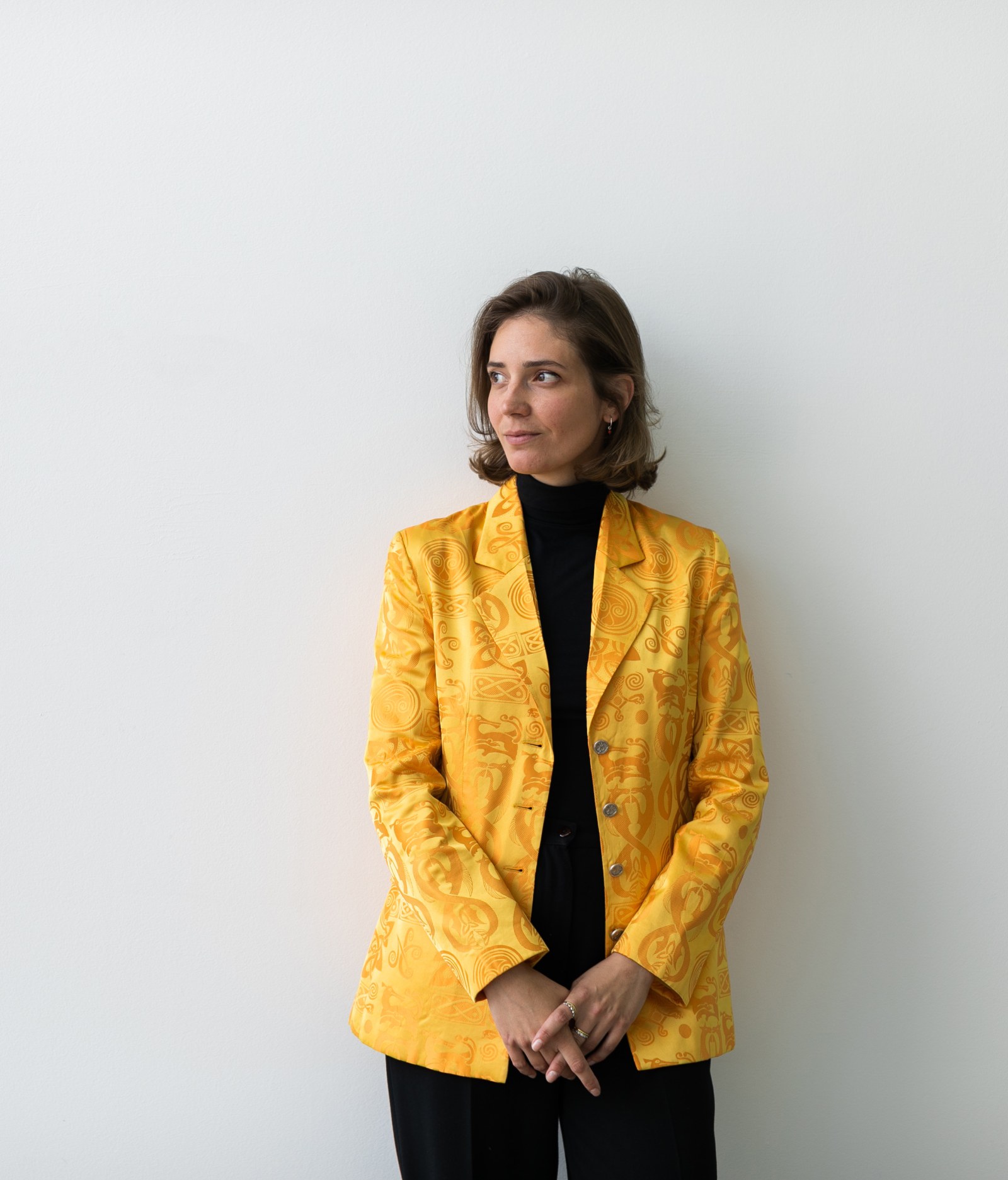
FOTO: IVAN ZUPANC
Lidija Delić
The Canvas Is a Process That Never Ends
I work on paintings for a long time, and they appear differently to me and to the viewer. While someone sees a finished product, for me, canvas is a process that never ends. while you see something gentle, I might be thinking something wild — the point is in the context. It's in that dichotomy that the critique of the work emerges. In any case, I know I can be very self-critical, but I think I still need to work on analyzing my work. That's why I often talk with my colleagues about the work, and it helps me come closer to a solution. - interview with Ana Simona Zelenović, SELFI issue 1, 2022.

Jana Jovašević